

A Poetry Lover’s Guide to the Three Counties
While Herefordshire and northern Gloucestershire produced some of the country’s best-known poets, Worcestershire’s contribution seems to lie - in terms of this particular art form - mostly in providing the landscape that inspired them.
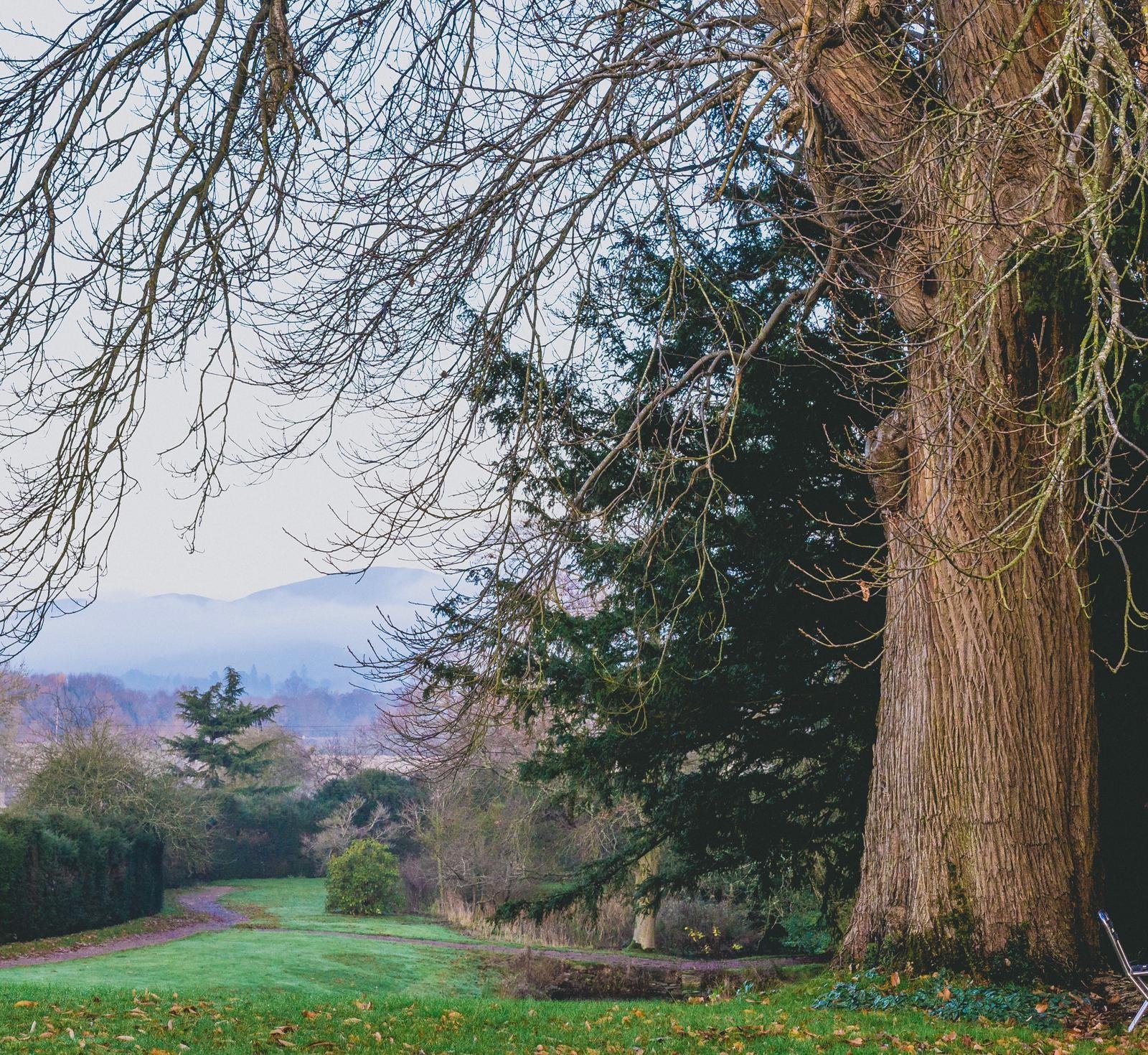
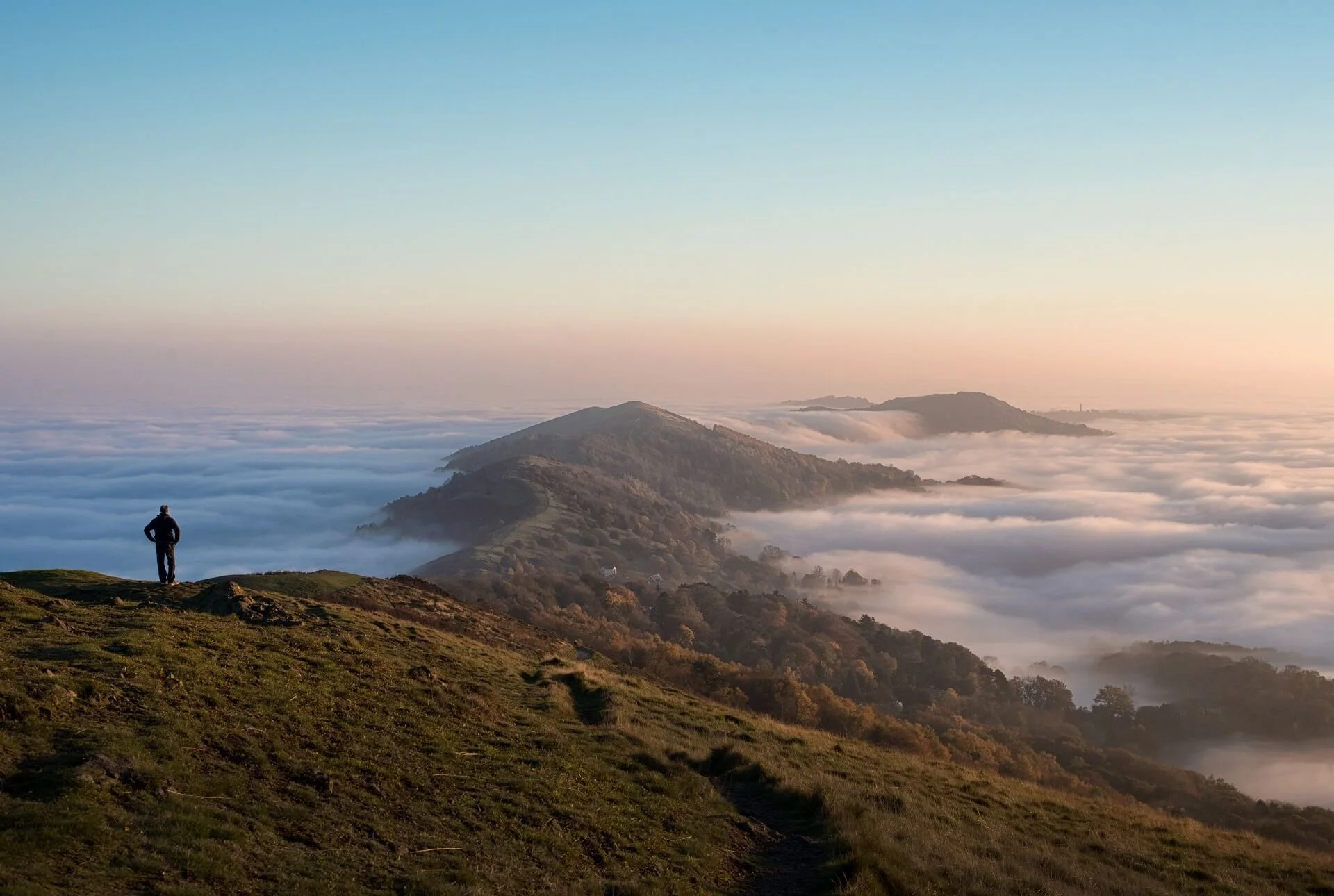
The majestic hills of the Malverns and the surrounding, glorious, countryside encouraged walking, reflection and a strong engagement with place.
Ledbury: A Natural Starting Point
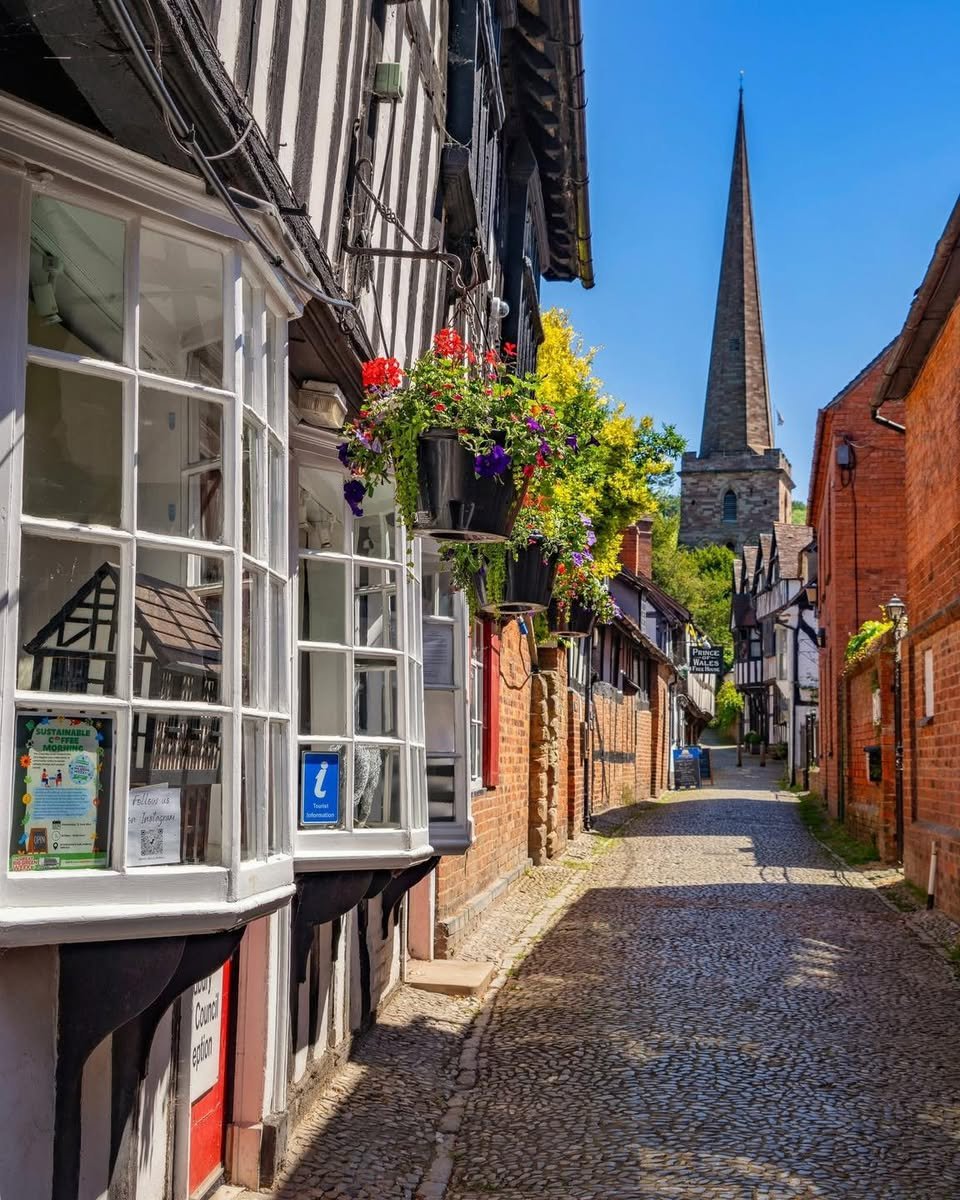
Ledbury is an ideal base for a poetry-inspired visit to the area. Compact, attractive and easy to explore on foot, it combines historic architecture with a deeply rooted literary life.
Why Ledbury matters
It is the birthplace of John Masefield, former Poet Laureate.
It is close to several important poetic landscapes that have inspired important writers
It is home to the internationally respected Ledbury Poetry Festival - an annual ten day festival of poetry that attracts visitors - and participants - from all over the world
The dedicated Ledbury Poetry House in the middle of town is a fount of information.
Hope End: Elizabeth Barrett Browning’s formative landscape
Just a short drive from Ledbury lies Hope End, near Colwall — the childhood home of Elizabeth Barrett Browning, one of the most important poets of the Victorian era.
Why Barrett Browning is significant
She was internationally famous during her lifetime
She was a social activist - using her poetry to champion causes such as the abolition of slavery
She was - and is - a feminist icon, groundbreaking in many ways
She remains a romantic symbol through her work
Can you tour the house?
The house that she spent her formative years in - an architectural folly designed in ‘Moorish style’ - burned down many years ago.
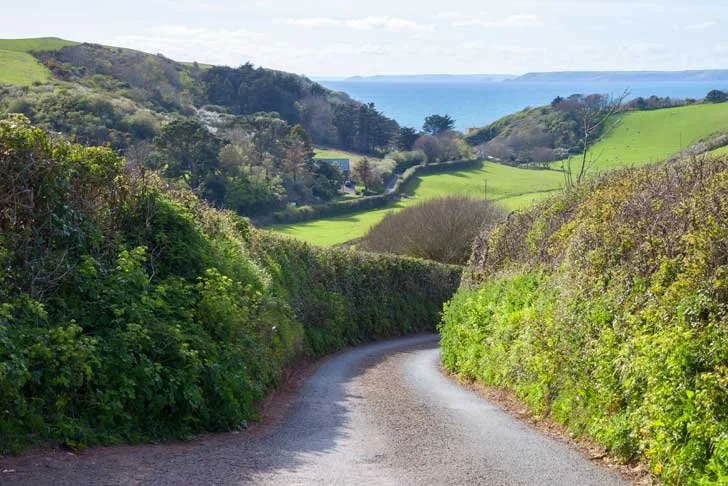
However, if you pootle around the lanes, you can easily understand the inspiration that Barrett Browning took from the landscape that surrounded her growing up.
The Dymock Poets: A Remarkable Rural Circle
To the south of Ledbury, not far from the Herefordshire border, is the village of Dymock where a remarkable group of early 20th-century poets gathered, united by friendship, walking and a shared love of the countryside.
Who were the Dymock poets?
They were a group of 6 core poets who came together seeking a rural idyll to think and work in before The Great War.
The group included:
Edward Thomas
Robert Frost
Rupert Brooke
But others dipped in and out during the brief period that they gathered here.
Their work is closely tied to rural paths, changing seasons and everyday observation — themes visitors still recognise when exploring the area today.
Planning a Poetry-Inspired Day Out
For something a little bit different, pick up a book from the Ledbury Poetry House and go exploring. Experience the landscape that inspired the poems in your hand and read them aloud.
Here’s a simple itinerary:
Pop into Ledbury to collect your book [you could even hire a bike while you are there and pedal rather than drive]
Drive [or cycle] out to Hope End and look at the hills
Carry on in a circular route and take a walk on the hills
Go back to Ledbury for a bit of lunch in one of the many cafes
Then, on to Dymock to explore the views and get a feel for what inspired this illustrious group of poets
Finally, back to Ledbury for refreshments and reflection on a lovely day out.
