A Study in English Eccentricity: Croome Court & Its Walled Gardens
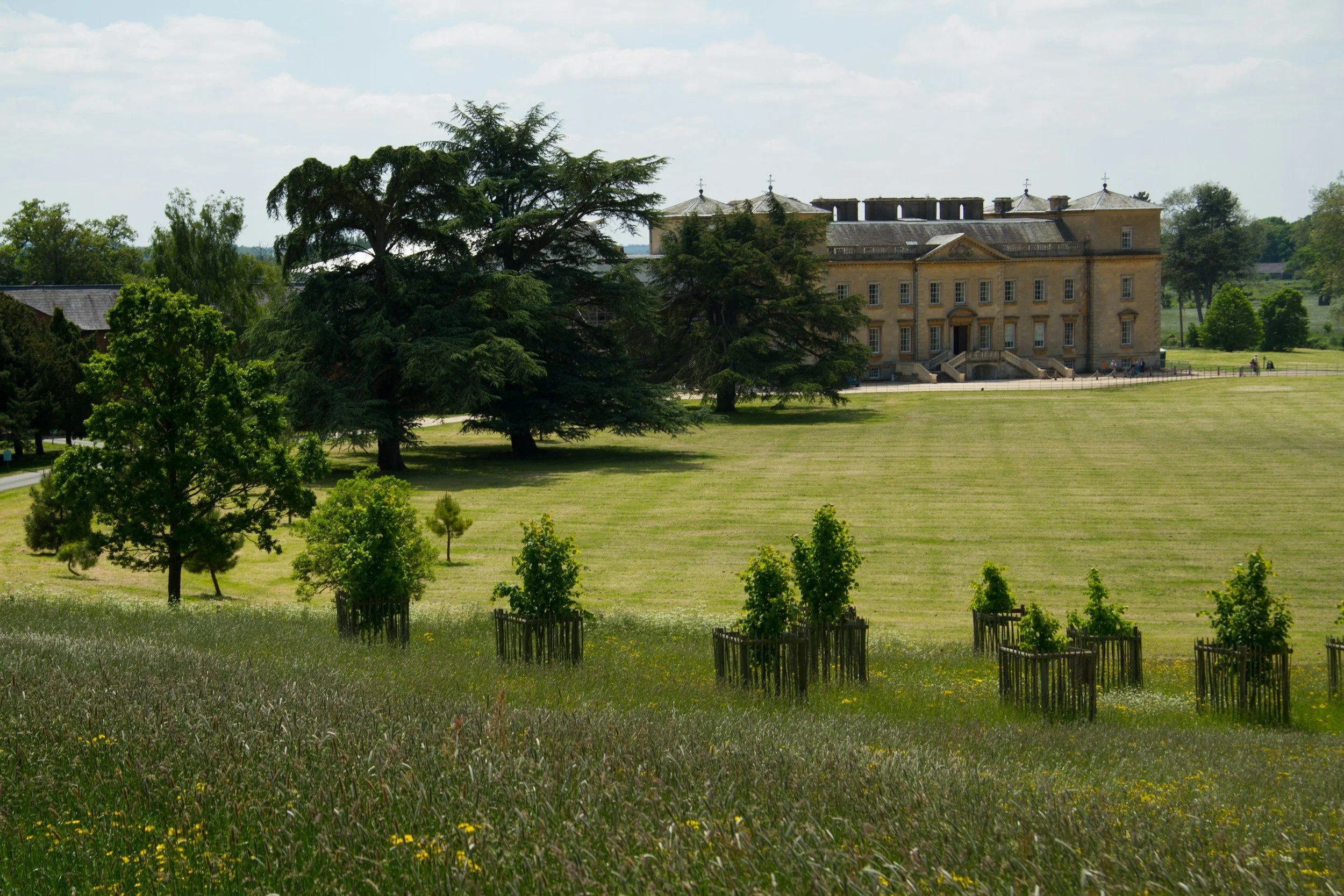
Croome Court
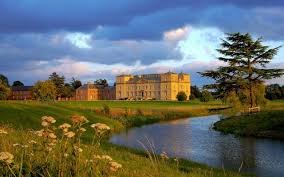
Looking at Croome Court, sitting so gracefully in the landscape as if it had grown out of the countryside itself, it is hard to imagine that when it was developed in the eighteenth century it was every bit as modern and cutting edge as, say, the Shard feels to us today.
In 1751, George, 6th Earl of Coventry, inherited the family estate at Croome along with a crumbling Jacobean manor. Stylish, well travelled and design-led, he immediately embarked on a prolonged programme of modernisation, enlisting the help of some of the most exciting creative minds of the day to bring his ideas to life.
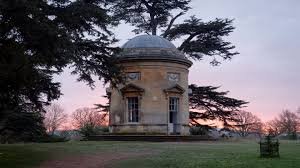
By the time the Earl of Coventry approached him, Lancelot ‘Capability’ Brown had already established a reputation for his innovative landscape design. He was put in charge of transforming the grounds from formal gardens into the sweeping, ‘naturalistic’ parkland that became his signature. So confident was Coventry in Brown’s abilities that he also involved him, in collaboration with Sanderson Miller an ‘amateur’ architect, with the design of the main house and many of the buildings that now pepper the estate.
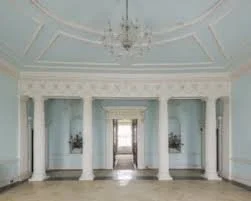
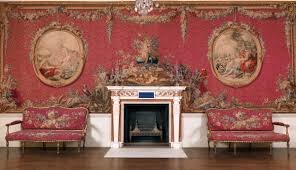
Robert Adam, with a recently established London practice, was gaining recognition as the leading exponent of integrated interior design. His approach was holistic - from the plasterwork of the ceiling to the weave of the carpets - he imposed harmony on every element of a room. Adam was brought in to work on three of the key interior spaces: the Library, the Tapestry Room and several of the garden buildings.
The result of this extraordinary collaboration of taste and creativity was a splendid Neo-Classical house set within undulating parkland - a place that quickly became the talk of society and a centre for high-profile entertaining. It was a rural stage for social life and even welcomed royalty.
To sustain the constant flow of visitors, the Walled Garden - begun by Coventry’s grandfather - was expanded to cover seven acres, complete with greenhouses and a ‘hot wall’ to propagate all manner of plants and produce.
These were not merely practical additions, but statements of wealth, status and the Earl’s distinctly forward-thinking approach.
As time passed, fortunes came and went. In the early twentieth century the impact of his son’s gambling debts forced the 9th Earl to sell the glorious tapestries from the eponymous room. Subsequently, even the ceiling and floorboards were sold to cover debts.
The house passed through several hands and many incarnations. It was a school, an RAF base, a hotel, a conference centre and the headquarters of the Hare Krishna movement - before eventually being purchased and leased to the National Trust for restoration and care.
The Walled Gardens fell into disrepair for many years until they were bought privately by the Cronin family in 2000, who - like true English eccentrics - embarked on a labour of love, restoring them to their former glory for the enjoyment of generations to come.
There is so much to see and enjoy at Croome Court that it really rewards more than one visit - each time revealing a little more of the history, ambition and imagination that has shaped this remarkable place.